

Ceramic Tile.

Photo by : http://www.canva.com
Ceramic tiles are tough and perfect for any room. They’re easy to install, clean, and come in lots of styles at a good price. There are two types, glazed for extra protection, and unglazed for an artistic, rustic look.
Porcelain Tile.

Photo by : http://www.canva.com
Porcelain tiles look like natural materials without the hassle. They’re versatile, easy to maintain, and can be used outdoors without issues. Just be aware that installing them can be a bit tricky.
Glass Tile.

Photo by : http://www.canva.com
Glass tiles give a clean and simple look, a good alternative to natural stone. Not suitable for busy areas like kitchens or bathrooms. Better for smaller spots like tabletops, desks, or as a backsplash.
Cement Tile.

Photo by : http://www.canva.com
Cement tiles are flexible with great patterns and colors. They develop a nice patina over time but might need sanding and resealing like wood. To keep them beautiful, monthly resealing is necessary. Best for low-traffic spots and in small quantities.
Marble Tile.

Photo by : http://www.canva.com
Marble tiles make a room instantly elegant with unique patterns. Best for less busy areas, unless sealed. Avoid using it for countertops; better for decorative features like shower floors and backsplashes.
Mosaic Tile.

Photo by : http://www.canva.com
Mosaic tiles offer a chance for creative design with different shapes and colors. They work well for accentuating walls but are best used sparingly, as the style can become outdated quickly, depending on the type of tile chosen.
Granite Tile.
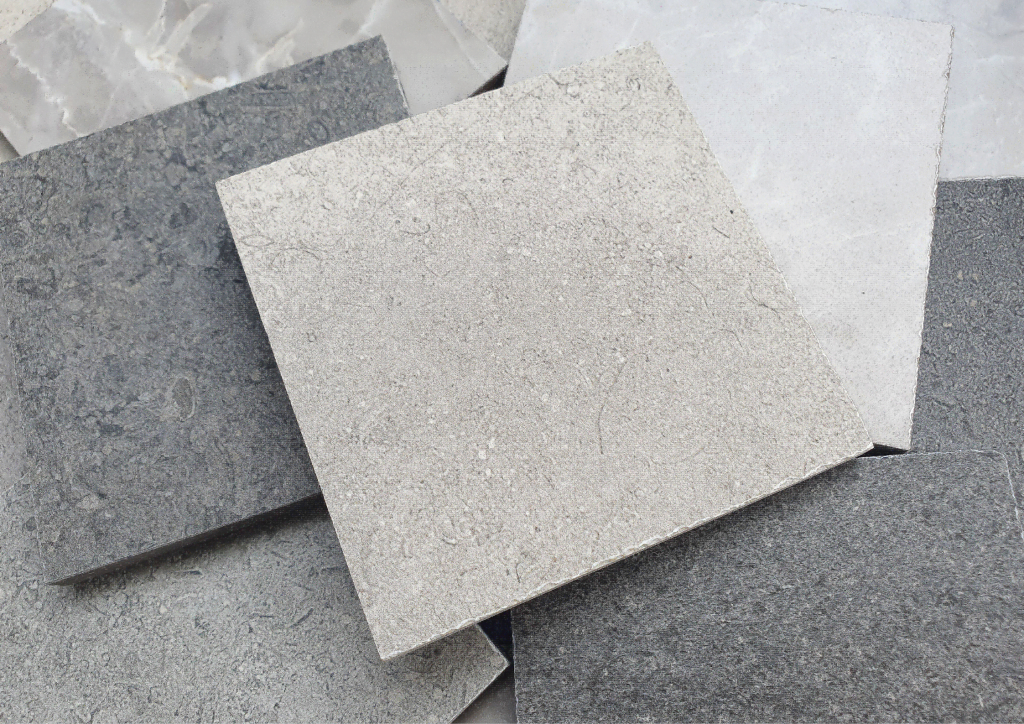
Photo by : http://www.canva.com
Granite is a natural stone that looks like marble but is often seen as a cheaper option. It’s suggested for places like laundry rooms where affordability and performance matter most.
Limestone Tile.
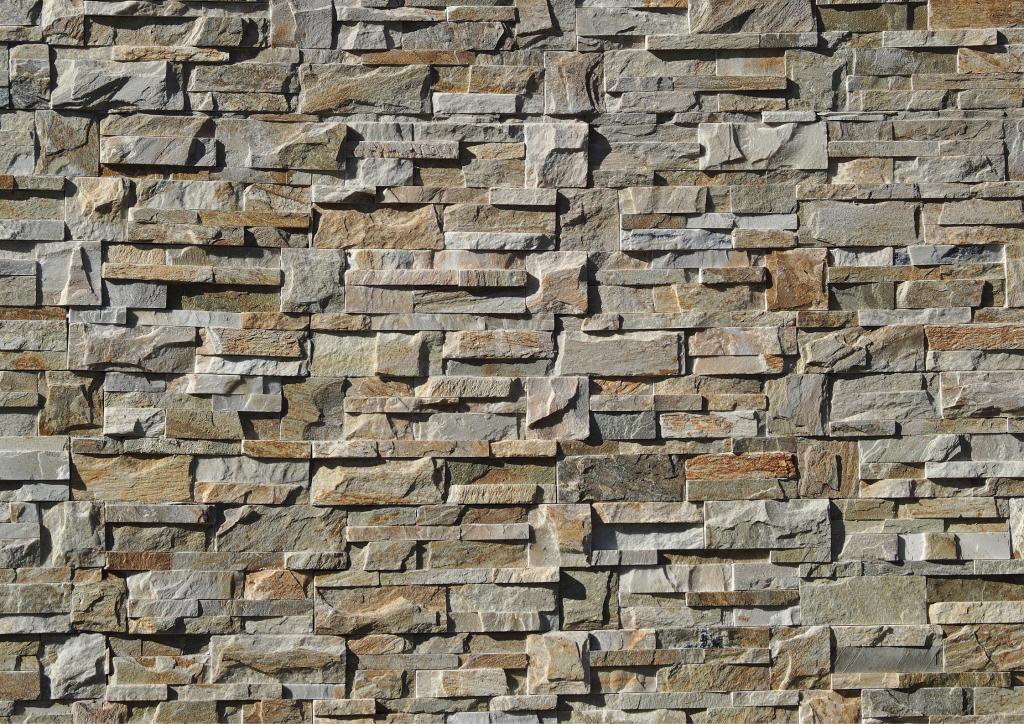
Photo by : http://www.canva.com
Limestone is a stone tile with a natural and rustic look. It’s durable and easy to shape, but it needs sealing to last longer. Cleaning requires gentle agents to avoid damage. It’s a good choice for various spaces, including outdoor patios.
Travertine Tile.

Photo by : http://www.canva.com
Travertine tiles have a special and soft look with beautiful neutral tones. Their swirling surface makes a unique statement. However, they need extra care as they can be affected by water and stains. It’s best to use them on walls in low-traffic areas to avoid damage.
Quarry Tile.

Photo by : http://www.canva.com
Quarry tiles are like strong bricks, made from a tough mineral. They resist water and are durable but can stain, so it’s not best for kitchens. Great for busy areas, they provide purposeful design and natural slip resistance.
Metal Tile.
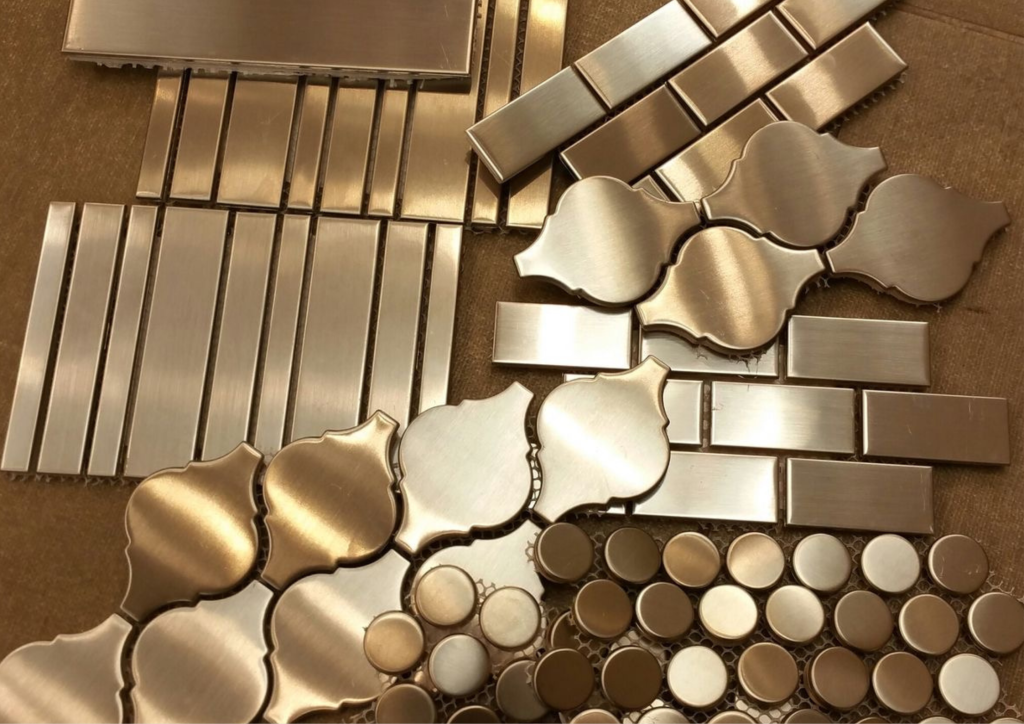
Photo by : http://www.canva.com
Metal tiles are strong and give a modern kitchen look. They’re durable and last long, but can scratch easily. Ideal for kitchens, bars, or utility rooms, but not recommended for bathrooms or outdoor use, depending on the climate.
Resin Tile.
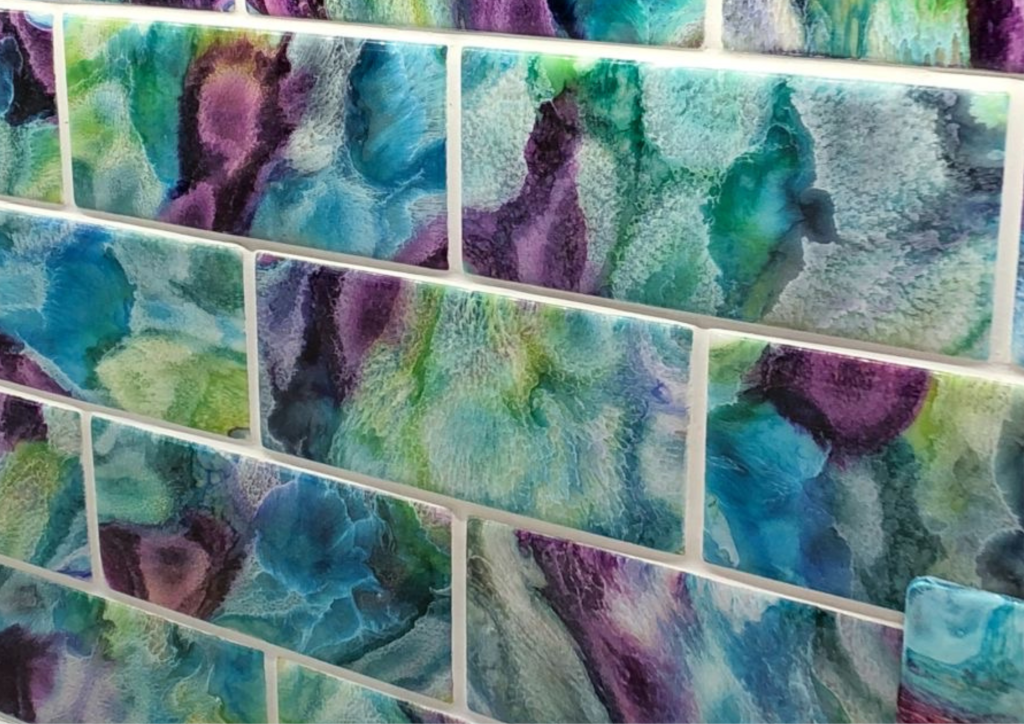
Photo by : http://www.canva.com
Resin tiles are versatile, looking good and resistant to water. Great for DIY projects to create unique patterns. The 3D patterns with resin can mimic water and stones. However, resin tiles may chip and yellow in the sun over time. Best for areas with water, like bathrooms and mudrooms, and as backsplashes or accents.
Conclusion.
In conclusion, each tile type has its pros and cons. Natural stones are elegant but need more care. Porcelain is durable and easy to maintain. Ceramic is versatile. Mosaic tiles are creative but may age fast. Glass tiles look clean in small spaces. Cement tiles are flexible but require upkeep. Metal tiles are tough but can scratch. Resin tiles allow unique patterns but may chip. 3D tiles are stylish, especially in wet areas. Choose based on your needs and preferences.