
Material Selection.
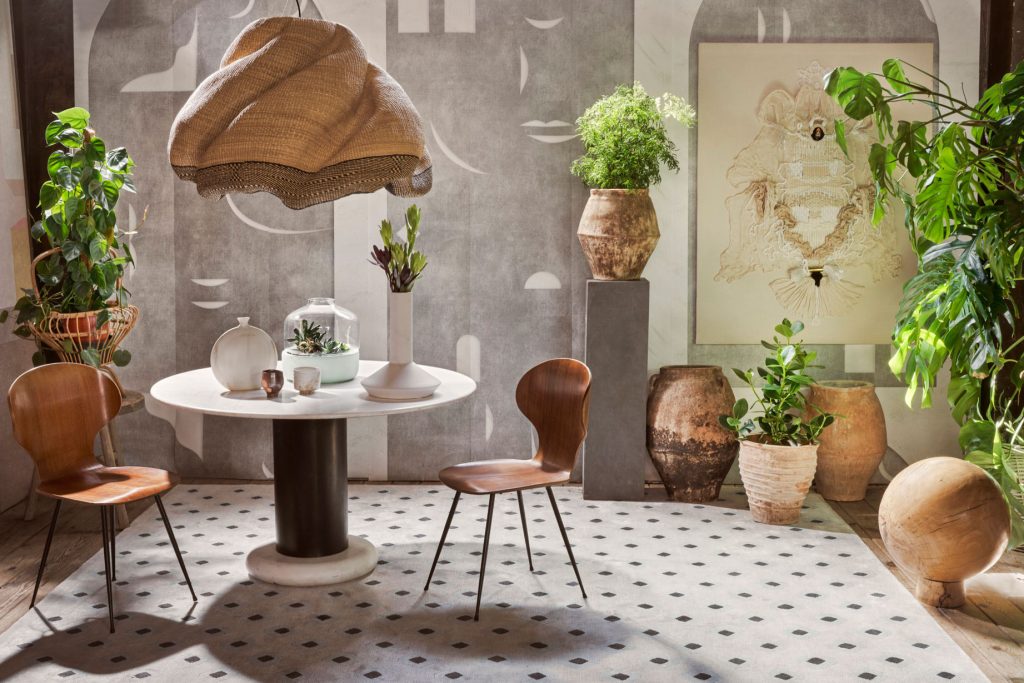
Designers pick materials that are good for the environment, like ones that don’t release harmful chemicals indoors. They also try to use resources wisely and make furniture in a way that doesn’t harm the Earth, showing their commitment to being eco-friendly.
Energy Efficiency.
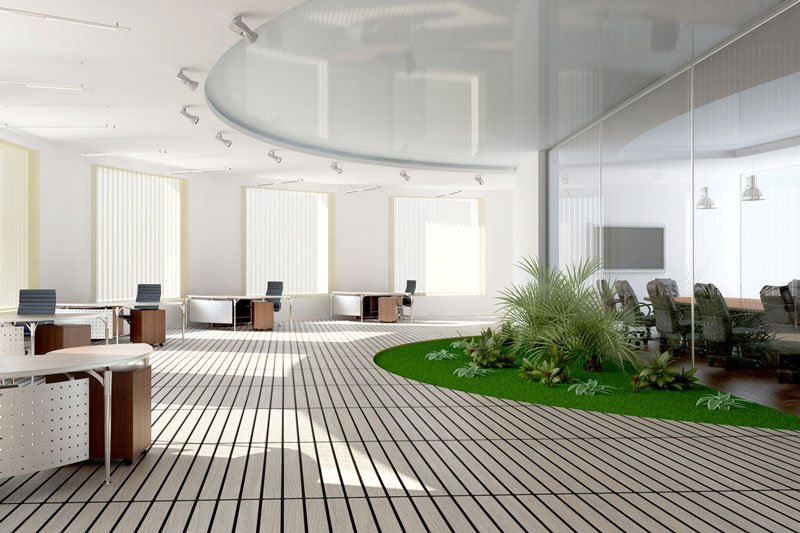
Saving energy in design is about using less power in making and using things. Designers do this by using natural light, good ventilation, and smart technologies. This not only saves resources but also helps fight climate change by promoting eco-friendly practices.
Waste Reduction.
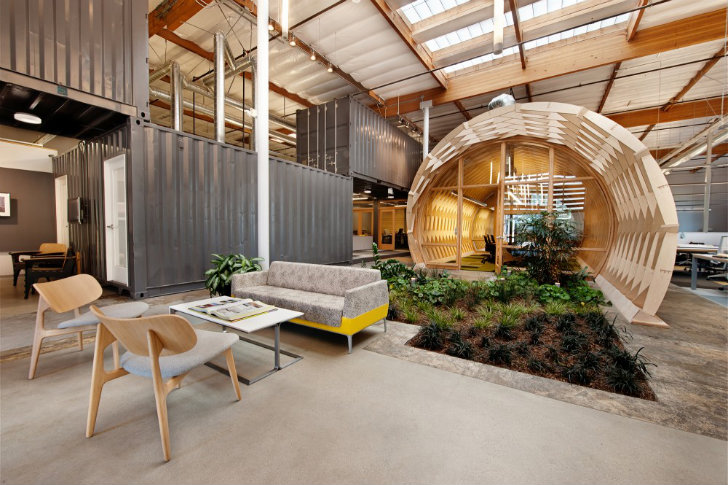
Embracing a circular economy involves minimizing waste across a product’s entire lifecycle. It means using smart ways to make and reuse things, so we create less waste. Focus on recycling and reusing materials instead of throwing them away. The goal is to keep resources in use for as long as possible, helping the environment and reducing waste.
Durability and Longevity.
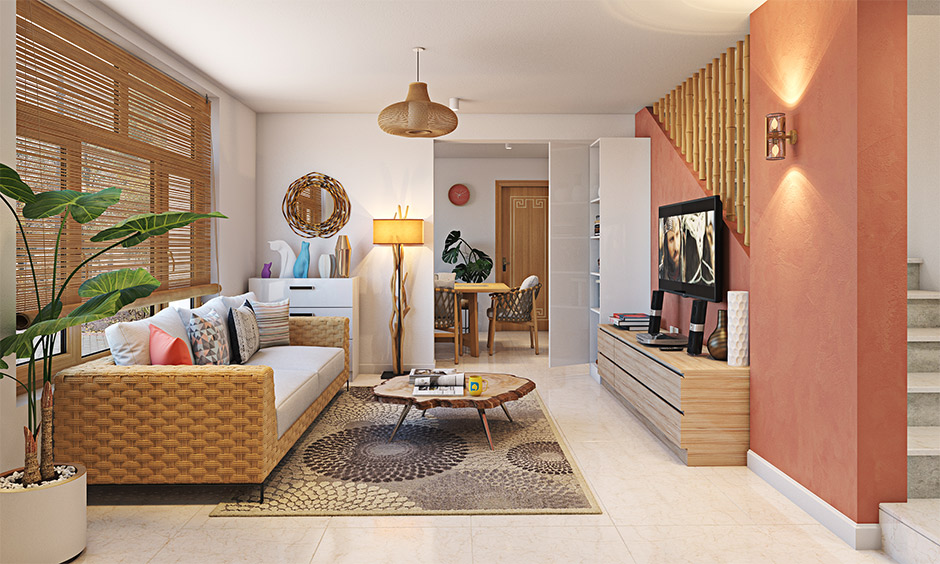
Try to make things with as little waste as possible. We use smart methods to easily take things apart, fix them, and use them again. The aim is to recycle and reuse materials, so we don’t throw away much and don’t need to use new stuff too often. It’s about being smart with what we have and being good to the environment.
Conclusion.
In conclusion, designing for sustainability involves choosing durable materials, reducing energy use, and opting for earth-friendly options. By prioritizing quality, embracing circular economy practices, and using non-toxic materials, designers can create long-lasting products with minimal environmental impact. This approach benefits both consumers and the planet, promoting responsible and eco-conscious design.